THE WING
Elliptical, so it could be thin
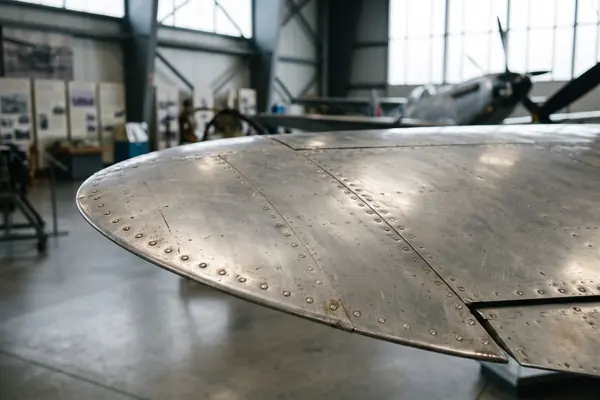
The RAF Museum says the elliptical wing's true value was letting it be as thin as possible, reducing drag. NASA notes an elliptic lift distribution gives the lowest induced drag.
The aerodynamics
 doodlefighter
DESIGN HISTORY, FROM THE MUSEUMS
THIN WING low drag
The famous curve was about thinness, not looks.
The RAF Museum says the true value of the Spitfire's elliptical wing was that it let the wing be as thin as possible, cutting drag. Aerodynamics explains why that shape is so efficient, and museum collections show how the design kept changing for a decade.
Updated
Compare the marksTHE SHORT ANSWER
The shape came from aerodynamics.
The changes came from a decade of development.
THE WING
The RAF Museum says the elliptical wing's true value was letting it be as thin as possible, reducing drag. NASA notes an elliptic lift distribution gives the lowest induced drag.
The aerodynamicsTHE ENGINE
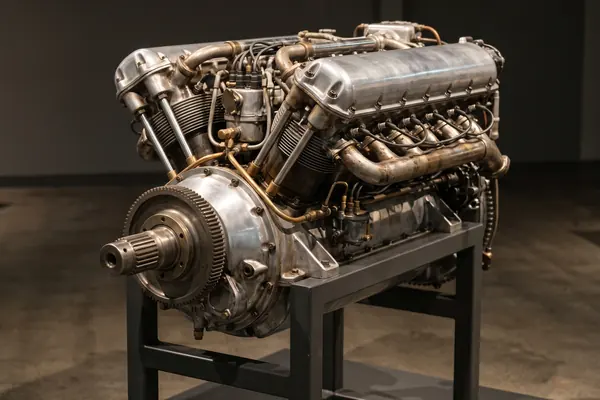
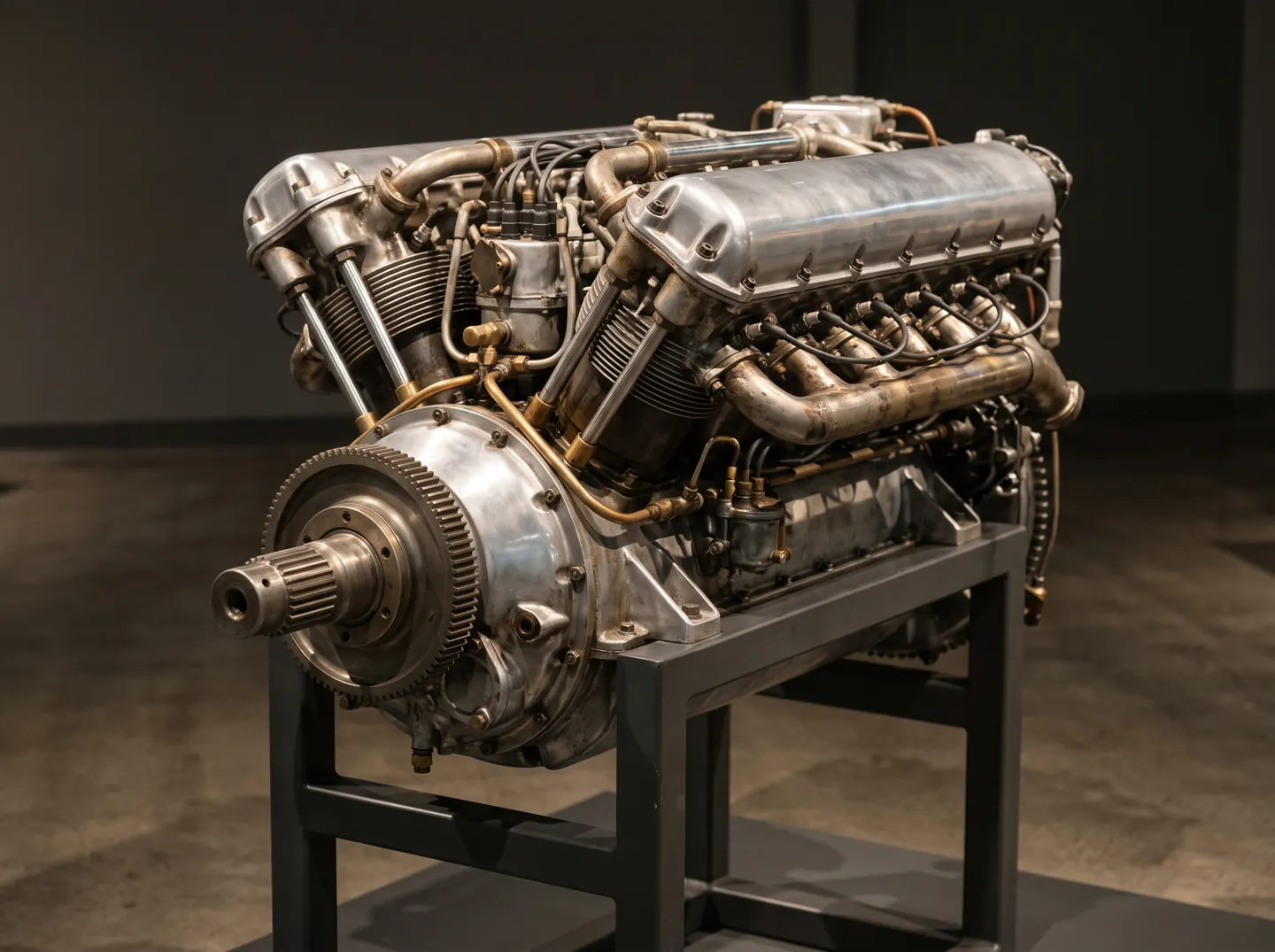
IWM says the Merlin was designed for about 990 horsepower. The later 36.9 litre Griffon gave over 2,000 horsepower, with a five-bladed propeller.
Compare the marksTHE MUSEUMS
IWM Duxford holds Spitfires from the early Mk 1 to the last Mk 24, and the RAF Museum in London displays Spitfire I X4590 in Hangars 3 and 4.
Where to see oneFOUR MARKS, ONE AIRFRAME
Pick a mark to see how its engine compared. The bar shows roughly how much power each one had, as described by IWM Duxford.
Figures as given in IWM's 'Evolution of the Supermarine Spitfire'. Output varied with servicing and tuning.
TWO NUMBERS WORTH KNOWING
One number from aerodynamic theory,
one from the production line.
1.0 vs 0.7
Span efficiency, elliptic vs rectangular wing
In lifting line theory the efficiency factor is 1.0 for an elliptic lift distribution and about 0.7 for a rectangular wing, so the elliptical planform has the lowest induced drag.
WING EFFICIENCY · NASA
20,000+
Spitfires built, 1937 to 1947
IWM says more than 20,000 Spitfires were built in ten years, changing from the Mk 1 to the Mk 24 along the way.
PRODUCTION · IWM
NASA's Beginner's Guide to Aeronautics says the Spitfire's outstanding aerodynamic performance was partly due to its elliptic wing's very low induced drag.
FOUR THINGS TO LOOK FOR
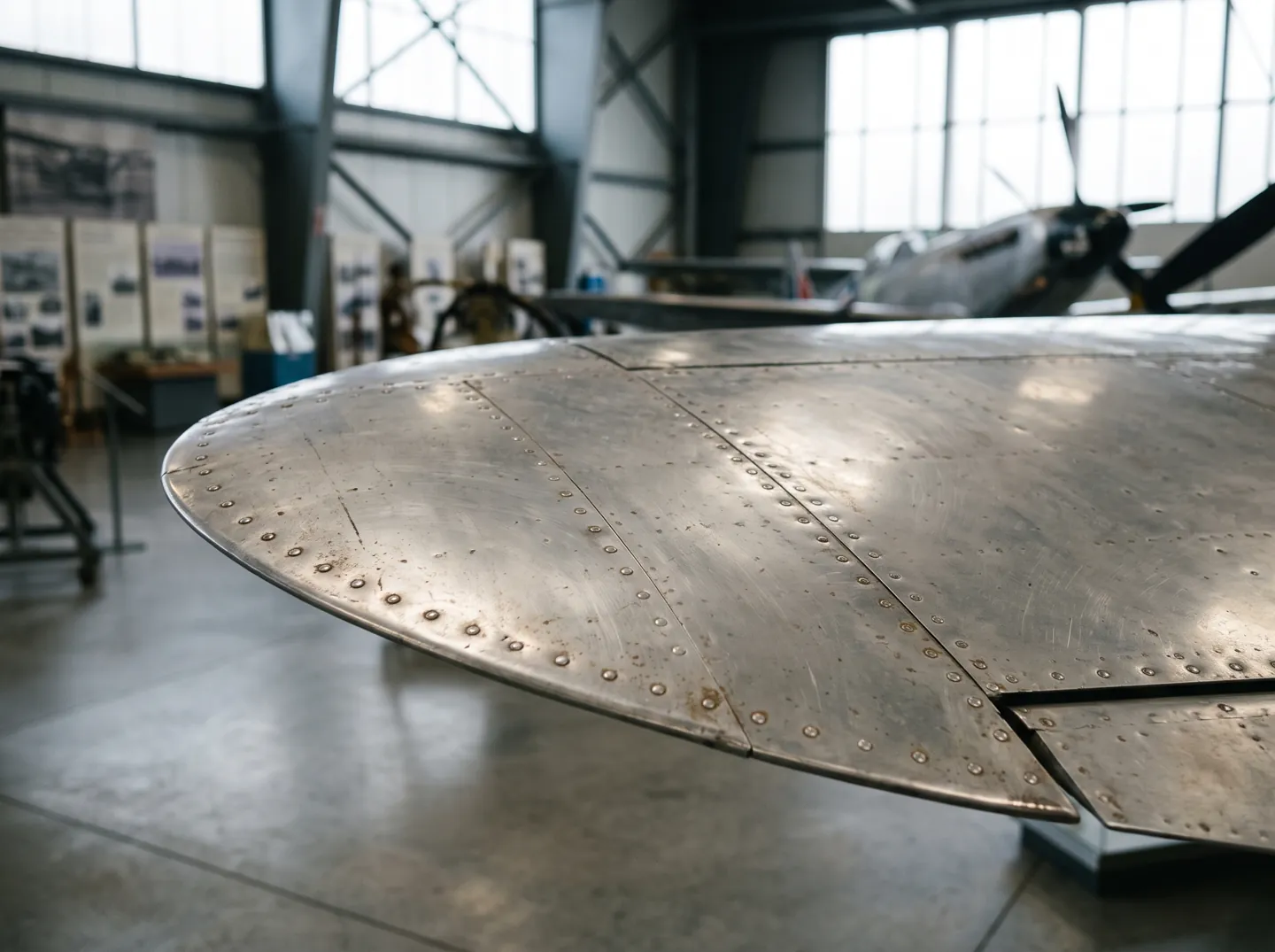
Standing next to one in a museum hangar, you can see the design story in the metal. These are details the museums point out.
Trace the curve from root to tip. IWM archive film notes the Mk 5 with squared-off wingtips.
Early Mk Is gained a three-bladed metal propeller; the Mk 9 had four blades and the Griffon marks five.
On the Griffon-engined Mk 24, IWM notes, the propeller spins the opposite way to the Merlin's.
The last marks needed a much bigger tail and rudder to handle over 2,000 horsepower.
FROM RACING SEAPLANES
The RAF Museum traces the design to Supermarine's Schneider Trophy racing seaplanes. The S6B, designed by Reginald J Mitchell, was all-metal and aerodynamically clean and reached 407 mph (656 km/h).
Mitchell's first answer to an Air Ministry fighter specification, the Model 224, had fixed landing gear and a cooling system that did not work properly. The redesign added a Merlin engine, retractable undercarriage, an enclosed cockpit and the elliptical wing, and first flew on 5 March 1936.
Questions
The RAF Museum says the true value of the elliptical shape was that it allowed the wing to be as thin as possible, reducing drag. NASA adds that an elliptic lift distribution gives the lowest induced drag of any wing shape.
The prototype, K5054, made its first flight on 5 March 1936. The first production Mk I entered RAF service with No. 19 Squadron on 4 August 1938.
IWM says more than 20,000 were built between 1937 and 1947, across marks from the Mk 1 to the Mk 24.
The RAF Museum says its stressed-skin construction, especially the wings, needed precision engineering skills that were rare in the aviation industry, so production was spread to subcontractors and a new factory at Castle Bromwich.
IWM Duxford has Spitfires from the early Mk 1 to the last Mk 24, and the RAF Museum in London has Spitfire I X4590 on display in Hangars 3 and 4. This page is an independent guide, not linked to either museum.
Sources
ABOUT THIS NAME
doodlefighter.com is part of the DoodleSale portfolio. It isn't in an auction right now, but you can ask about leasing it.